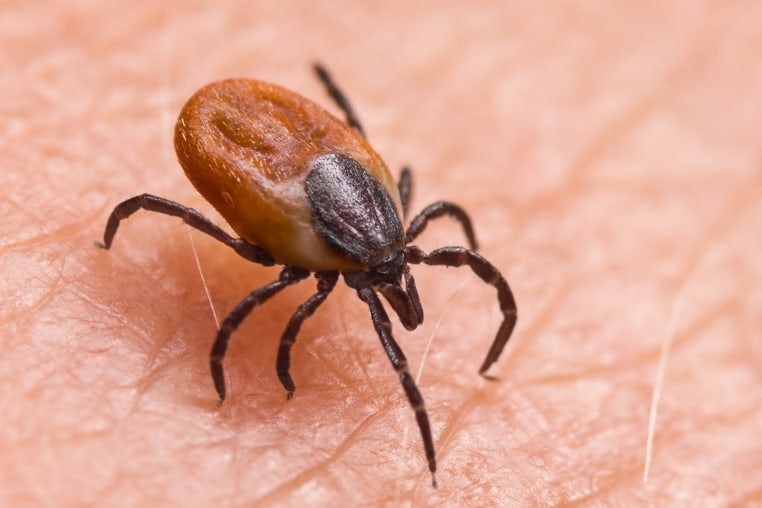
June 30, 2025 — Health & Wellness Desk
They’re tiny, stealthy, and potentially dangerous: ticks are more than just a nuisance. With diseases like Lyme, Rocky Mountain spotted fever, and anaplasmosis on the rise globally, protecting yourself from ticks isn’t just a summer concern anymore — it's a year-round responsibility.
Experts warn that as climate patterns shift and winters grow milder, tick activity is extending beyond traditional seasons, catching many people off guard. Here's how you can stay safe all year long — whether you're hiking a trail, walking your dog, or just gardening at home.
🕷️ Why Ticks Are a Bigger Threat Than Ever
Ticks thrive in warm, moist environments — but they're surprisingly resilient to cold weather. Certain species, like the black-legged tick (commonly called the deer tick), can remain active during winter months as long as temperatures stay above freezing.
"We now see tick bites and infections reported even in December and January, especially in wooded or grassy regions," says Dr. Emily Rowe, an infectious disease specialist at the London School of Tropical Medicine. “The old idea that tick season ends in the fall is outdated.”
🦠 Tick-Borne Diseases on the Rise
Tick populations are spreading due to climate change, deforestation, and wildlife migration. In Europe, the UK, Canada, and many U.S. states, cases of Lyme disease have nearly tripled in the last decade. Other serious infections — such as babesiosis, ehrlichiosis, and even tick-borne encephalitis (TBE) in Europe — are growing concerns.
✅ How to Protect Yourself — In Every Season
Here’s how you can minimize your risk of tick exposure throughout the year:
1. Dress Smart
-
Wear long sleeves, long trousers, and light-colored clothing to spot ticks easily.
-
Tuck trousers into socks and shirts into waistbands to prevent ticks from crawling under clothes.
2. Use Repellents
-
Apply insect repellent containing DEET (20–30%), picaridin, or permethrin-treated clothing when going into wooded or grassy areas.
-
Reapply as needed, especially during extended outdoor time.
3. Stick to the Trail
-
Avoid tall grasses, leaf litter, and overgrown vegetation.
-
Walk in the center of trails rather than brushing against foliage.
4. Do Daily Tick Checks
-
After outdoor activities, check your scalp, behind ears, armpits, groin, waistline, and behind knees.
-
Don’t forget to check pets and gear (like backpacks or coats).
5. Shower Promptly
-
Showering within two hours of coming indoors can help wash off unattached ticks and provides a good opportunity to check for bites.
6. Create a Tick-Free Yard
-
Keep lawns mowed, remove leaf piles, and create a barrier between wooded areas and recreational zones.
-
Consider tick-safe landscaping with gravel paths or mulch buffers.
7. Keep Pets Protected
-
Use veterinarian-recommended tick preventatives for dogs and cats year-round.
-
Avoid letting pets roam in high-grass or brushy areas.
🚨 What to Do If You’re Bitten
-
Remove the tick immediately using fine-tipped tweezers. Grasp it close to the skin and pull straight out.
-
Clean the bite area with soap and water or antiseptic.
-
Save the tick in a sealed container (for identification if symptoms develop).
-
Watch for symptoms such as fever, rash, fatigue, muscle aches, or flu-like illness over the next 30 days.
-
Seek medical attention if symptoms arise or if you’re in a high-risk region.
🧬 Future Protection: Vaccines in Development
While there is no widely available Lyme disease vaccine for humans yet, multiple pharmaceutical companies are developing next-generation tick-borne illness vaccines, which may offer protection in the next few years.
Until then, awareness and prevention remain the best defense.
🔍 Key Takeaways
| Action | Why It Matters |
|---|---|
| Wear protective clothing | Prevents ticks from reaching skin |
| Use EPA-approved repellents | Deters ticks from latching |
| Check body, pets, and gear | Catches ticks early before they bite |
| Modify your landscape | Makes your yard less inviting to ticks |
| Stay informed year-round | Ticks can be active in all seasons |
🧭 Final Word
Ticks may be small, but the impact of their bites can be life-altering. As their reach and seasonality expand, so should your habits for prevention. Whether it’s spring hikes or winter walks, a little vigilance goes a long way.
“Treat every season like tick season,” says Dr. Rowe. “Because increasingly — it is.”
For more information on tick-borne disease prevention, visit CDC.gov or consult your local public health office.